
 Deutsch
 Englisch
 Spanisch
 Französisch


The Spanish Cooperative Protecting Lives Without Losing Tradition
During fermentation, carbon dioxide (CO2) poses a lethal risk to winery workers worldwide. A new documentary by LogiCO2 follows the SAAC cooperative in Villamalea, Spain, to show how monitoring technology can protect lives whilst preserving traditional winemaking practices.
Wine Culture in Villamalea
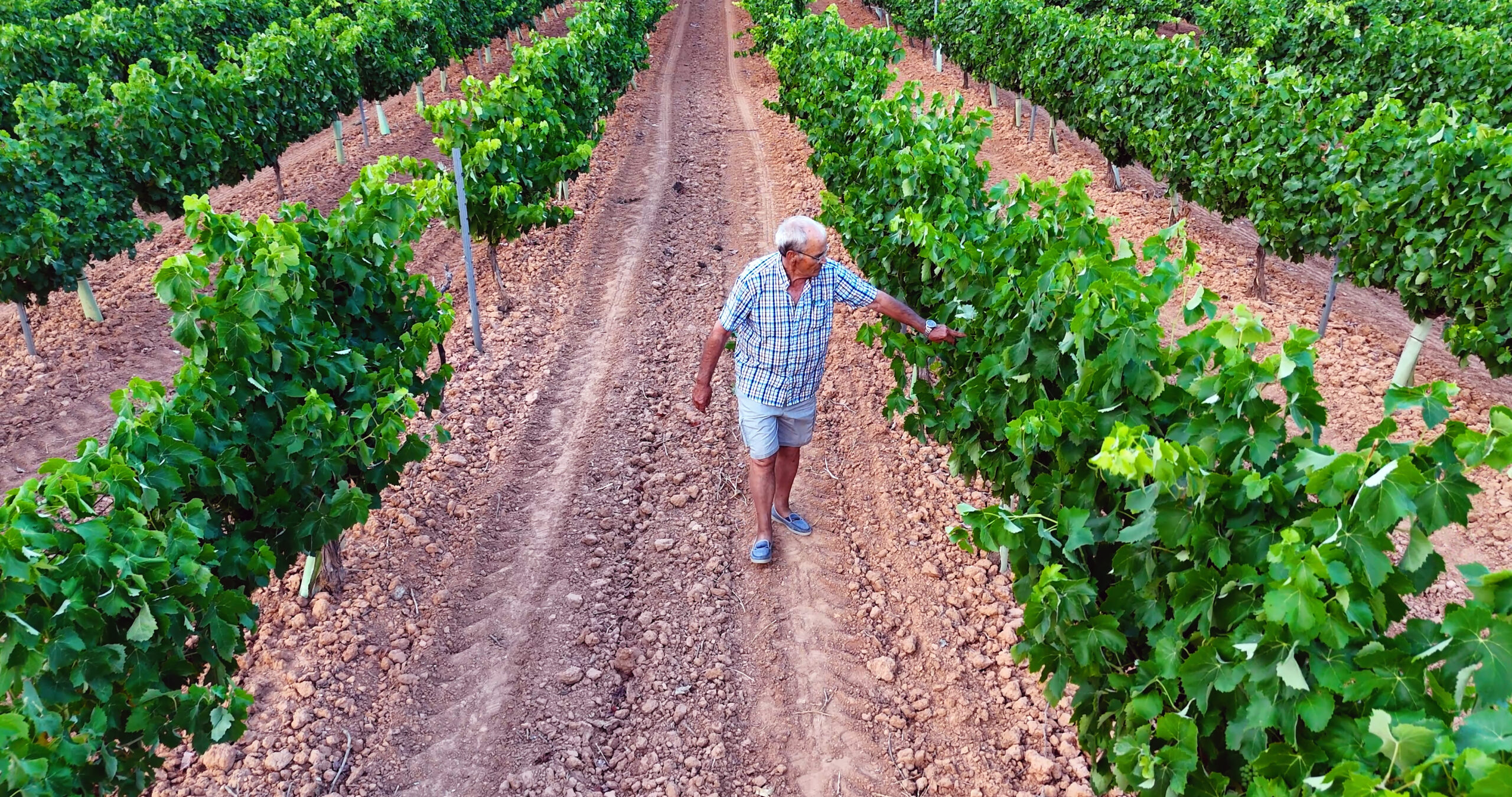
Villamalea is in La Manchuela, one of Spain’s oldest wine regions. Its Mediterranean climate, with hot days giving way to cool nights, creates ideal conditions for wines with exceptional freshness, acidity, and fruity notes.
This region has nurtured viticulture since Roman times. Today, wine remains the foundation of the local economy, supporting many small vineyards across generations. ”Wine is essentially the economic engine of Villamalea,” explains Ruben Albiar Nohalez, chairman of the SAAC cooperative.
But wine in Villamalea is much more than simply a product. It is, as the documentary’s participants describe it: essence, family, celebration, and the central pulse of a farmer’s life. For winegrower Gerardo Bueno García, wine is ”one more member of the family”, one that demands the same tender care given to a child.
“It represents the very nature of the existence of our people. Settlements only came to be here through the presence of the vine,” adds SAAC manager José Elías García Jiménez.
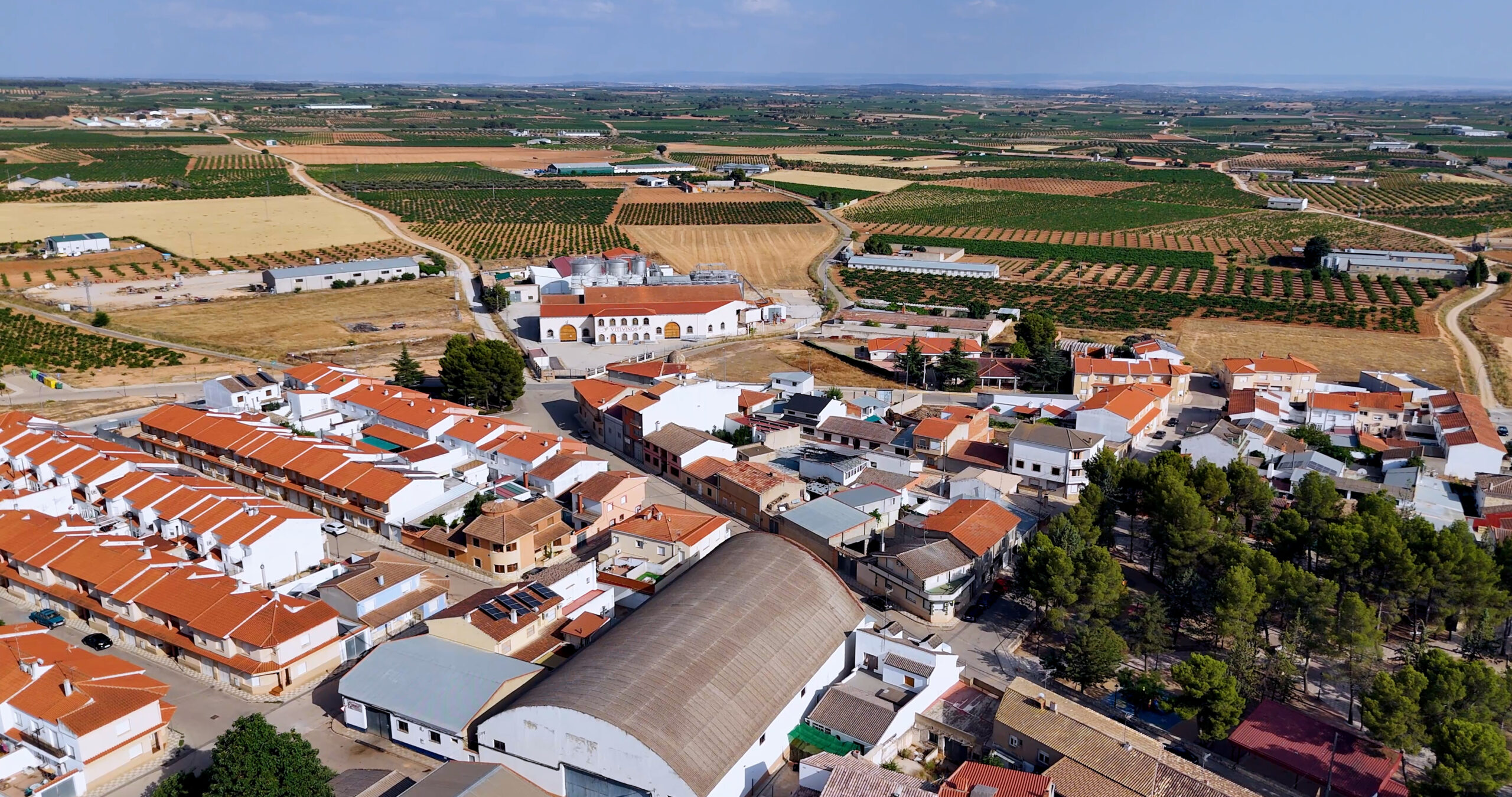
To preserve this legacy and support the local growers, SAAC was created in 1947. ”The wine cooperative was created to fight against speculation from private winery owners,” explains Bueno García. ”Now we have a winery that belongs to all the growers in the village. It’s our pride because we built it ourselves. It’s ours.”
Today, the SAAC cooperative has grown to around 1,300 members. These members bring their grapes to the cooperative, where it is transformed into wine. In a typical harvest, SAAC processes 32–33 million kilograms of grapes, producing approximately 24 million litres of wine annually.
That scale reflects genuine community effort. ”In one bottle of wine, you have the work of many people,” enologist Pascual Amorós explains. From training and pruning vines to transforming harvested fruit into wine, each bottle represents the culmination of dedicated effort.
Yet within this beautiful transformation lies an inherent danger. ”During fermentation, the yeasts transform sugars into alcohol,” Amorós continues. ”The process also produces heat, and more importantly, a gas that concerns us: CO2.” It is a paradox inherent to winemaking: what gives SAAC’s cooperative its livelihood simultaneously threatens the lives of those who make it.
Fermentation Safety Concerns
This threat manifests most acutely during harvest season. During the 10- to 12-day fermentation period, substantial quantities of CO2 are released as byproduct, reaching concentrations 20–30 times those in normal atmospheric conditions. Without proper safety protocols, these concentrations pose extreme danger to workers.
 The challenge with CO2 lies in its hidden nature. Unlike other toxic gases, which announce their presence through pungent odours or visible clouds, CO2 is colourless, odourless, and cannot be felt. As such, workers cannot detect this gas through their normal senses, making specialised monitoring essential for workplace safety.
”When CO2 accumulates in a confined space and reaches over 40,000 parts per million, it becomes harmful to humans,” notes Kristoffer Eklund Cuestas, business manager at LogiCO2.
Elevated CO2 exposure follows a dangerous progression: early symptoms include shortness of breath, increased pulse rates, and dizziness (1–7% concentration), escalating to convulsion, unconsciousness, and death at 10%. At 20% concentration, death occurs within seconds.
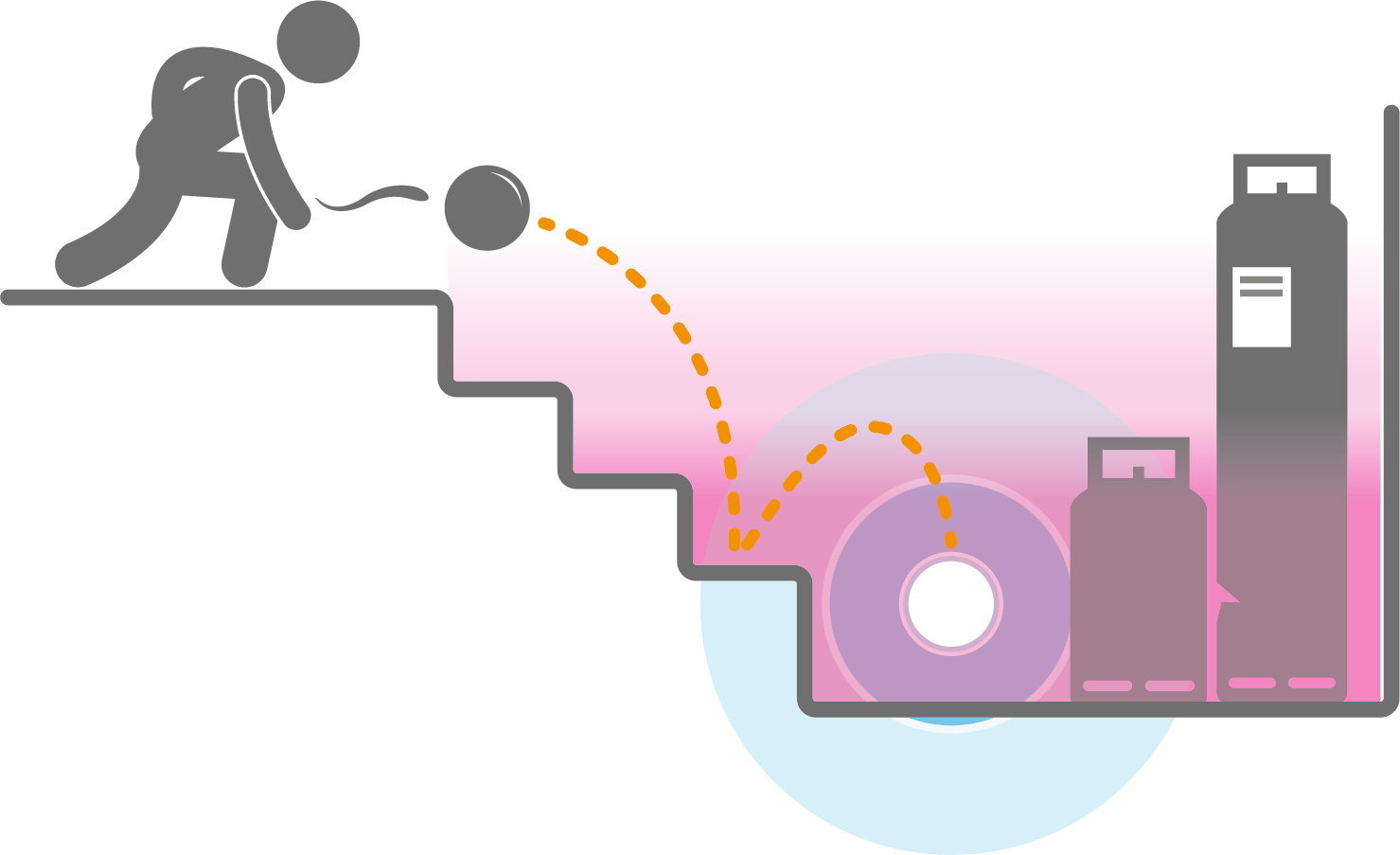
Being heavier than air, CO2 settles into low-lying areas, displacing oxygen and creating danger zones. Fermentation cellars often feature confined areas, such as tanks and vats, where these concentrations build silently. Workers may assume the air is safe, only to collapse when entering these areas.
For generations, winemakers developed an intuitive understanding of the risks through direct experience. In the LogiCO2 documentary, cellar master Tomás Larrey Rubio describes how he educated newcomers: ”When young people who had never worked with wine before started working here, I’d put them next to a tank and make them get closer, little by little, until they could feel the carbon dioxide, so they’d understand the danger in every tank.”
In the past, workers also relied on crude testing methods, such as lighting a piece of paper and lowering it into tanks. If the flame went out, it signalled dangerous CO2 levels.
Despite this long-standing awareness, accidents continue to occur during fermentation. This is why LogiCO2 partnered with SAAC to produce this new documentary.
”Every year, accidents happen during fermentation, and unfortunately, lives are lost,” explains Eklund Cuestas. ”This is what inspired me to start this project and create more awareness.”
Implementing Safety Systems
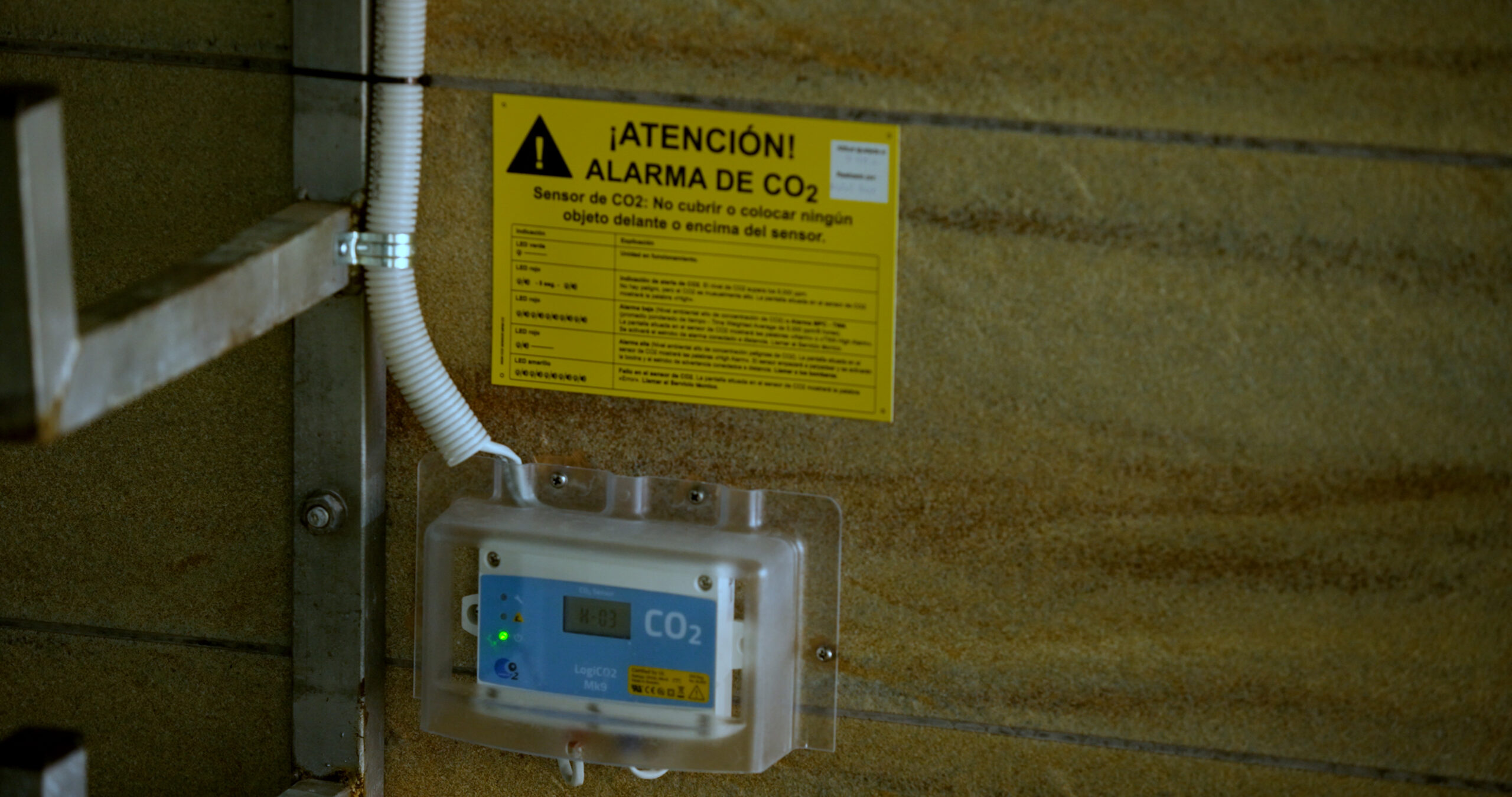
The documentary shows how the SAAC cooperative has addressed this CO2 risk by implementing comprehensive monitoring systems. ”The LogiCO2 system works like a guardian angel. It can detect this invisible enemy…and alert us to prevent accidents,” says Eklund Cuestas.
LogiCO2’s approach combines real-time detection with manageable safety protocols that protect workers without disrupting established processes. The technology continuously monitors CO2 levels throughout fermentation facilities, providing immediate alerts when concentrations approach dangerous thresholds. Fixed sensors in high-risk areas create continuous safety coverage, whilst portable monitors allow workers to check conditions before entering tanks, cellars, or confined spaces.
Visual and audible alarms ensure that warnings are unmistakable, even in the noise and activity of harvest season. An external display shows real-time CO2 levels and temperature readings from both sensors, whilst Bluetooth connectivity enables the team to continuously monitor readings via a mobile app.
These systems integrate seamlessly into existing operations, enabling workers to make informed safety decisions and providing protection beyond traditional approaches.
Why This Documentary Matters
LogiCO2’s new documentary bridges two worlds: the time-honoured culture of winemaking and the stark safety challenge that every fermentation facility must address. By filming at SAAC, LogiCO2 chose a setting where wine’s cultural significance is palpable in every interview, every landscape shot, and every moment of the harvest season.
The documentary does not sensationalise tragedy, nor does it reduce winemaking to a mere industrial process. Instead, it honours both the tradition and the truth. It shows viewers why wine matters to these communities and why protecting the people who make wine matters even more. It provides a compelling case study in risk management that respects artisanal practices, demonstrating that safety improvements need not compromise quality or heritage.
A Model for the Industry
The SAAC case study demonstrates what is possible when safety technology supports rather than disrupts artisanal practices. The cooperative’s approach offers a practical framework for wineries of any size: comprehensive monitoring, worker education, and systematic protocols that integrate into existing workflows.
For wine industry professionals, the documentary provides actionable insights into CO2 risk management. It shows how one cooperative addressed a universal challenge without compromising the quality or character that defines their wines.
As fermentation safety becomes an increasingly important consideration across the industry, the SAAC case study offers both inspiration and practical guidance.
Video: LogiCO2’s Solution in Action
Watch the documentary to see how SAAC has made fermentation safety a priority whilst preserving centuries of winemaking tradition:
Do have any questions or inquiries, feel free to contact us at info@logico2.com or +46 (0)31-695317