
 Deutsch
 Englisch
 Spanisch
 Französisch


CO2 Safety in Hospitality: What Every Venue Owner Should Know
Carbon dioxide (CO2) plays a vital role in many industries, including hospitality. However, in enclosed spaces, an undetected leak can endanger the lives of staff and customers. Here is how the LogiCO2 safety system detects and responds to CO2 leaks before they become dangerous, and how the right setup can also protect your bottom line.
The Invisible Risk
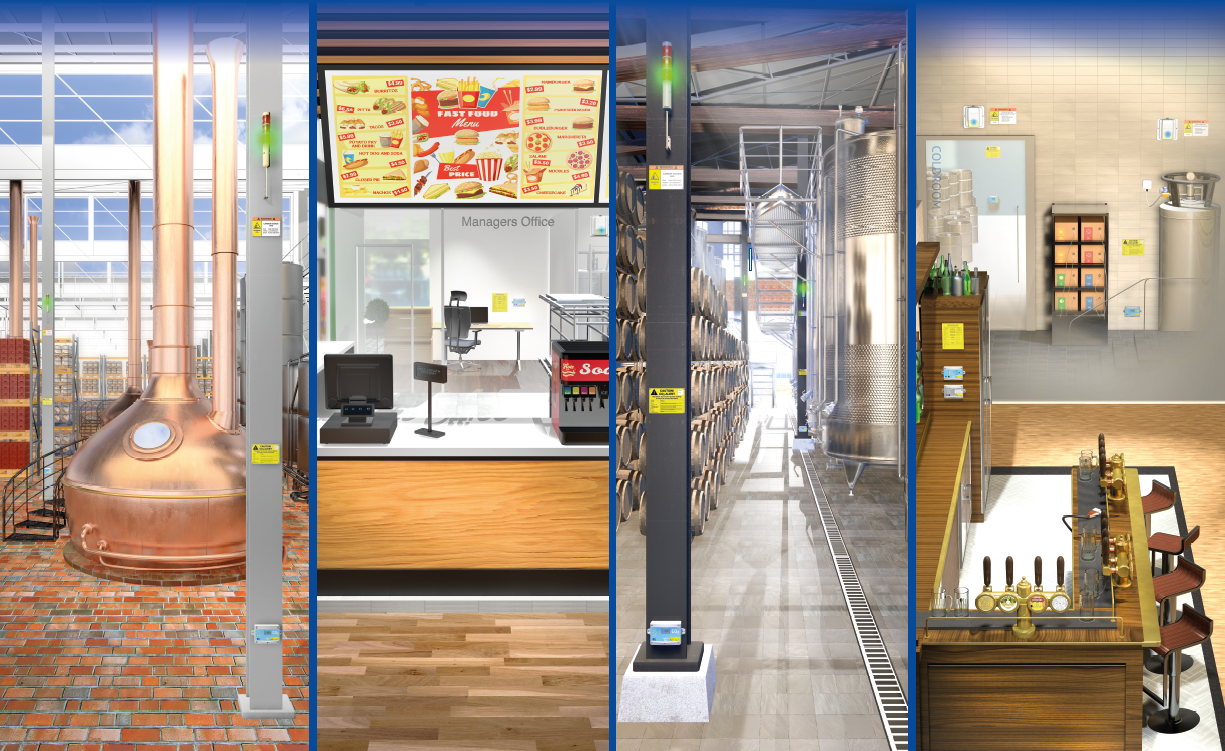
Bars, pubs, and restaurants rely on CO2 for carbonated beverages, draught beer dispensing, and more. Typically stored in bulk tanks or cylinders and piped to the point of use, CO2 is roughly 1.6 times denser than air. When a leak occurs, it sinks and accumulates in low-lying and enclosed areas such as basements and beer cellars.
Because CO2 cannot be seen or smelled, a person sent to check on an empty cylinder or investigate a dispensing fault may walk directly into a dangerous concentration without any warning. The effects on the human body are severe. At a concentration of 4%, CO2 is classified as an immediate danger to life and health. At 7%, it causes dizziness, vomiting, and headaches. At 10%, it can lead to unconsciousness and even death.
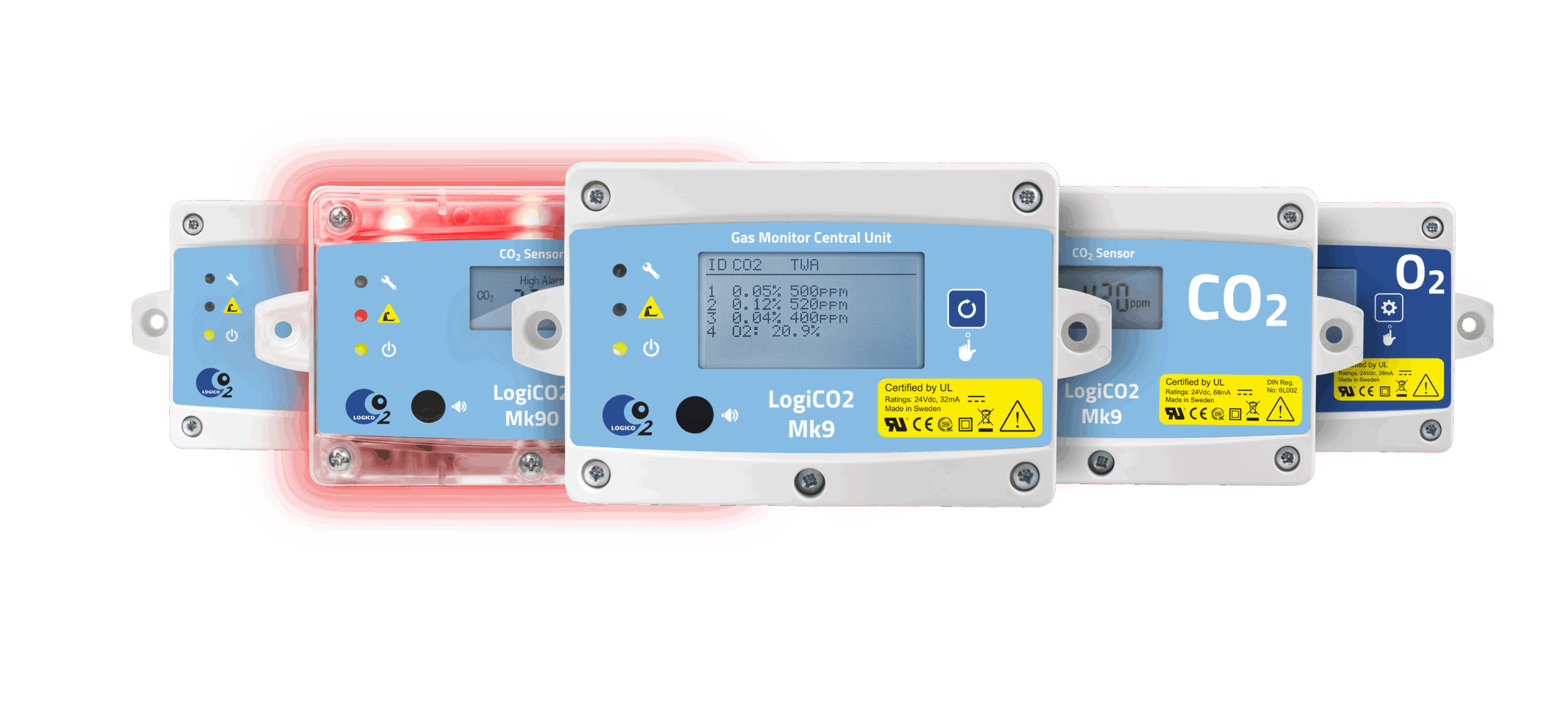
It is precisely this risk that led LogiCO2, a Swedish company specialising in CO2 safety technology, to develop its CO2 safety systems, available in two configurations. The Mk9 system includes a separate central unit for installation outside the monitored area, while the Mk90 integrates high-intensity alarms directly into the sensor unit for a simpler, stand-alone installation. The Mk90 is particularly well-suited to hospitality environments where installation simplicity and cost efficiency are priorities.
Both systems measure CO2 concentration in enclosed environments and trigger alerts across four distinct alarm levels when thresholds are reached.
Levels of Protection
The LogiCO2 safety system delivers alerts through audible and visual alarms, including a built-in buzzer, red warning diodes, and a horn / strobe that combines a warning siren with a flashing light. Each alarm level serves a specific purpose and includes a recommended response.
Level 1 – CO2 awareness indication (5,000 ppm / 0.5%):
The LogiCO2 safety system delivers alerts through audible and visual alarms, including a built-in buzzer, red warning diodes, and a horn / strobe that combines a warning siren with a flashing light. Each alarm level serves a specific purpose and includes a recommended response.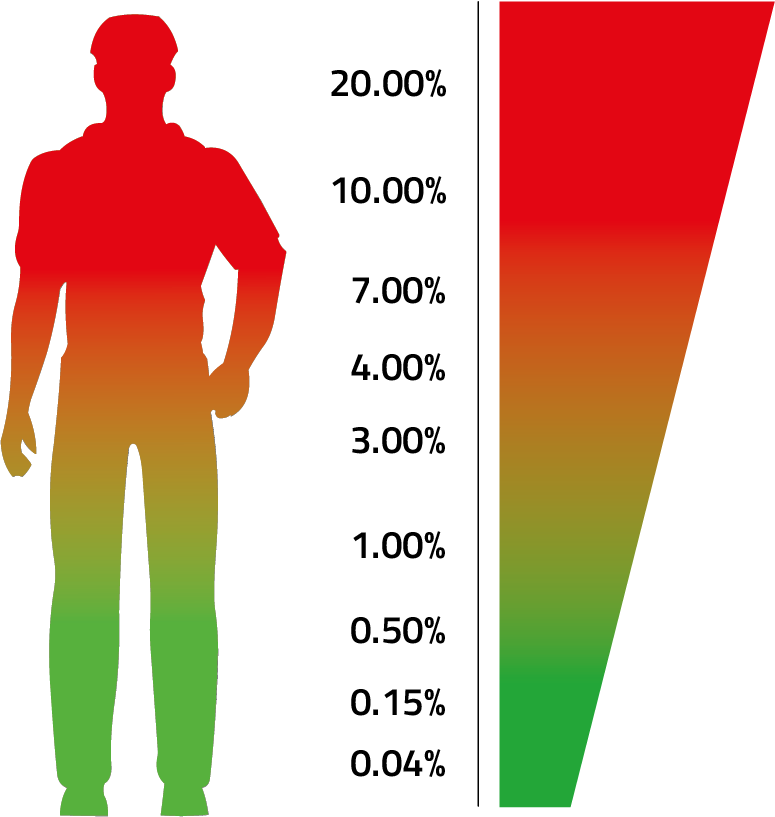
Level 2 – TWA alarm (5,000 ppm / 0.5% over 8 hours)
If the elevated CO2 level persists, the system triggers a Time Weighted Average (TWA) alarm. Unlike the Level 1 alarm, which responds to an instantaneous spike, the TWA alarm means the average concentration has remained above 5,000 ppm (0.5%) over an eight-hour period. This threshold is set by workplace safety regulations, including OSHA standards and EU occupational exposure limits. The red diode begins blinking, and the horn / strobe starts flashing. The recommended response is to ventilate the area and locate the source of the leak.
Level 3 – Low alarm (1.5%)
At 1.5% CO2 concentration, the system beeps, the red diode blinks, and the horn / strobe flashes. This indicates an abnormally high concentration, most likely caused by an active CO2 leak. A qualified service technician should locate and stop the leak, and should only enter the affected area under the supervision of another person.
Level 4 – High alarm (3%)
At 3% CO2 concentration, the system alerts continuously: the red diode stays on, and the horn / strobe activates with both siren and flashing light. This level is dangerous, and all staff and customers must evacuate the building immediately. Emergency services should be called, as the fire department will often need to extract the CO2 before a service technician can safely enter to repair the leak. Once the area is deemed safe, a fire marshal will give permission to reopen the venue.
Designed for Reliability
Behind these four alarm levels is a system built for long-term, low-maintenance operation. LogiCO2’s safety systems use NDIR (Non-Dispersive Infrared) technology for accurate CO2 detection, with automatic self-calibration and a system life expectancy of over 15 years. Maintenance requirements are minimal, and every system comes with a five-year warranty.
The system is scalable, supporting up to 12 sensors per setup, and all alarm levels can be configured to comply with local safety codes and legislation. For venues using nitrogen alongside CO2, a LogiCO2 Mk9 O2 detector can be added to monitor oxygen levels, which drop when nitrogen displaces the oxygen in an enclosed space.
Everything is delivered as a complete plug-and-play set, with all necessary components and signage included, allowing for a straightforward installation that does not disrupt venue operations.
When Safety Also Saves Money
For venues looking to add a further layer of protection, LogiCO2 offers the SMB Safety Valve Add-on Kit. This accessory connects to the Mk9 or Mk90 safety system and includes a magnetic valve that automatically shuts off the CO2 gas distribution when an alarm condition is reached.
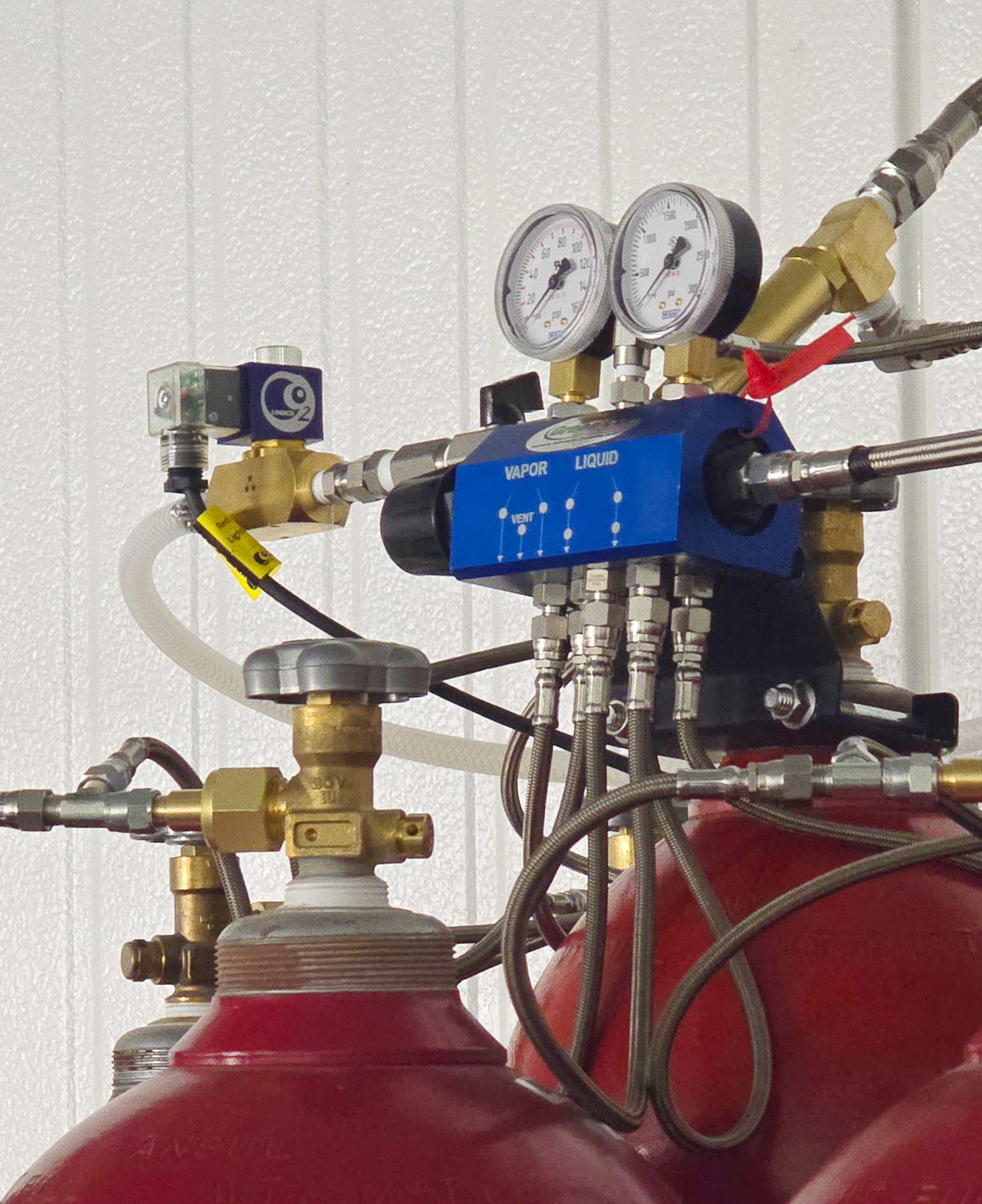
Regardless of the alarm level triggered, the valve closes the CO2 supply and keeps it closed until the concentration drops to a safe level. This physically stops additional gas from entering the space, limiting the consequences of the leak at the source. The valve is fail-safe, meaning it also shuts off in the event of a power loss. For maximum protection, it should be installed as close to the CO2 tank as possible.
Consider a typical scenario: a small, steady CO2 leak at a busy restaurant or pub. Not enough to trigger a high-level safety alarm, but enough to drain the supply far faster than expected. Without a shutoff valve in place, there is no flag and no reason for anyone to investigate. Over the course of a year, a single undetected leak can result in significant volumes of wasted CO2 gas and an entirely avoidable cost. For multi-site operators, those losses multiply quickly.
The wasted gas is only part of the picture. Running out of CO2 unexpectedly means emergency deliveries at premium pricing, beverage systems going offline during service, and lost sales during peak hours. A single emergency delivery combined with even a short period of downtime can easily exceed the annual cost of a complete CO2 safety system.
”Our systems are installed to protect staff and customers. But when you combine continuous monitoring with an automatic shutoff valve, you also prevent the kind of situations that lead to emergency call-outs, unplanned downtime, and unnecessary cost. The safety benefit comes first; the operational benefit follows naturally,” explains Kristoffer Eklund Cuestas, Business Manager at LogiCO2.
Is Your Venue Protected?
The risks of CO2 in enclosed spaces are serious, yet many hospitality venues that use it daily have no safety systems in place. A leak can occur at any time, and without the right monitoring equipment, there is no way to manage this risk. Are you doing enough to keep your people safe?

Video: LogiCO2’s Solution in Action
Watch this CO2 awareness documentary featuring La Pirata Brewery, produced by LogiCO2:
Watch our employee tutorial for sites where LogiCO2 Alarm is installed.
Do have any questions or inquiries, feel free to contact us at info@logico2.com or +46 (0)31-695317